GEO: QUIET
0
A/B (quiet)
The Sun remains in a stable, quiet state with minimal flare activity. We anticipate a minor, brief increase in geomagnetic unrest through the morning hours before returning to quiet conditions.
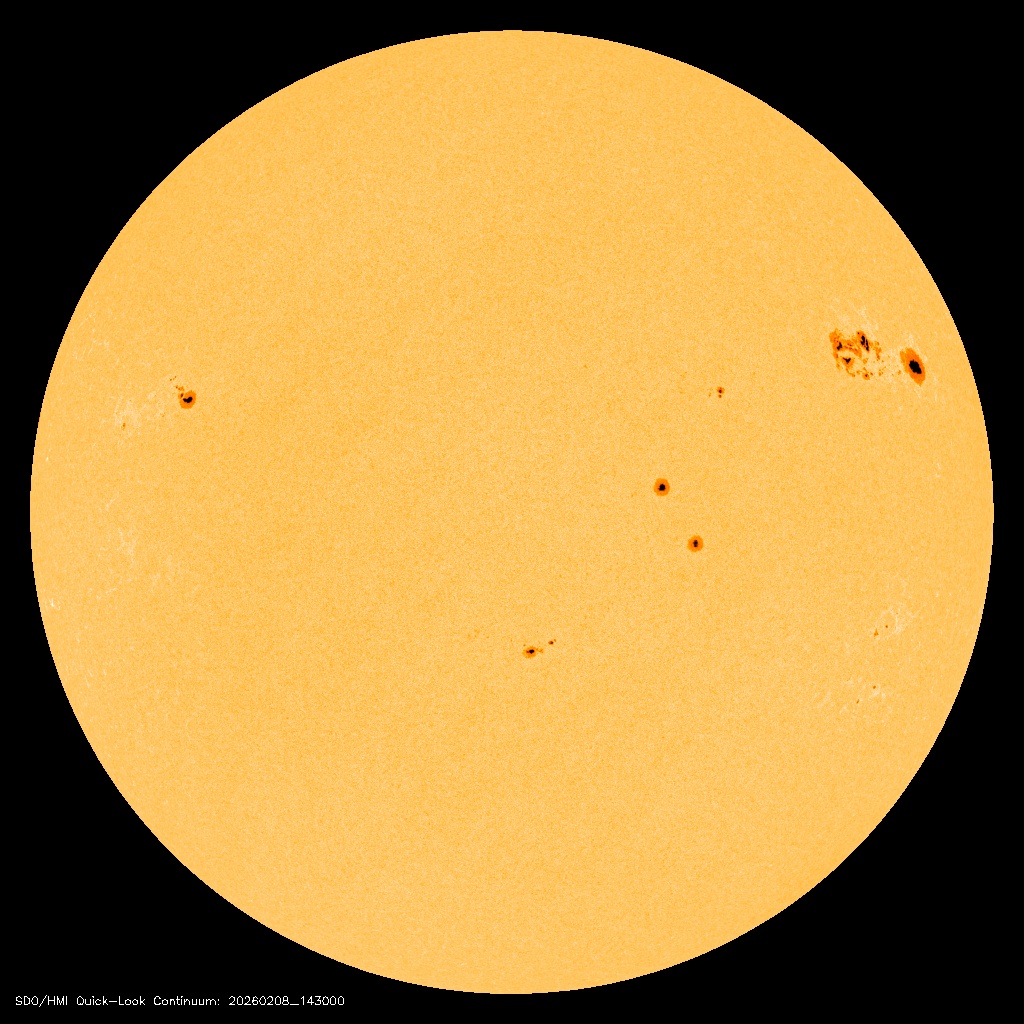
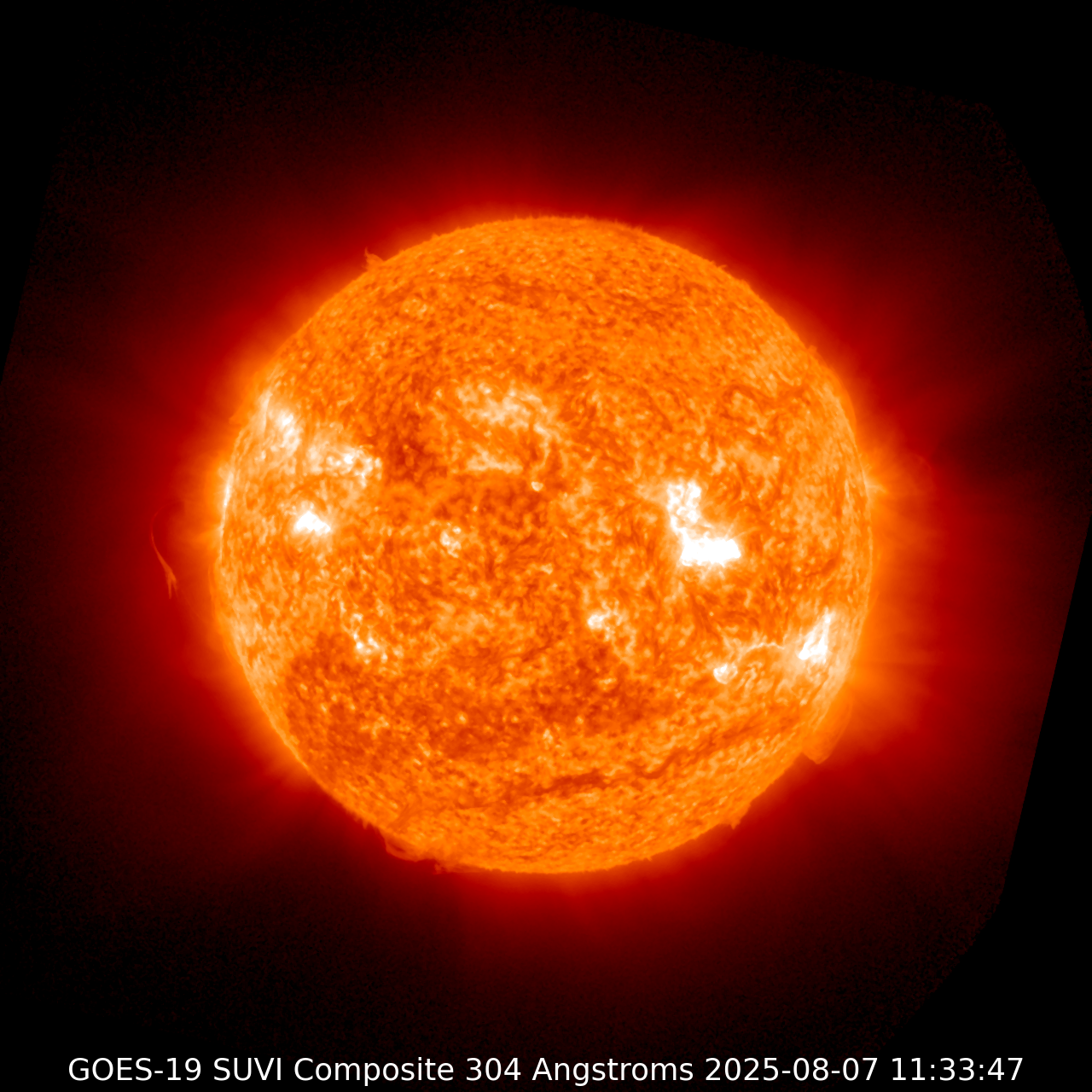
The current solar environment is characterized by nine active regions and an F10.7 flux of 104 sfu, indicating moderate but steady solar activity. X-ray flux remains at background levels following a minor C-class flare observation, and the planetary K-index is currently holding at a stable 2.0.
The Kp-index peak of 3.67 serves as the primary indicator, as it represents the threshold where minor magnetic fluctuations may affect sensitive power grid operations or satellite tracking.
Expect the Kp-index to rise slightly to 3.67 through the morning of June 28, representing unsettled conditions. By midday, solar-terrestrial interaction is expected to stabilize, with conditions returning to quiet levels by the afternoon.
Aurora visibility is not expected at mid-latitudes. The current solar conditions are insufficient to push the auroral oval south of high-latitude regions.
Monitor the evolution of the nine active solar regions for any sudden increase in magnetic complexity that could trigger an M-class flare.