M @ 21:34 UTC · M @ 01:09 UTC
GEO: QUIET
5
A/B (quiet)
Geomagnetic conditions are shifting from quiet to active, with Kp levels expected to hit 5.0 in the coming hours. A recent M-class flare suggests persistent instability in AR4479, though current background X-ray flux remains calm.
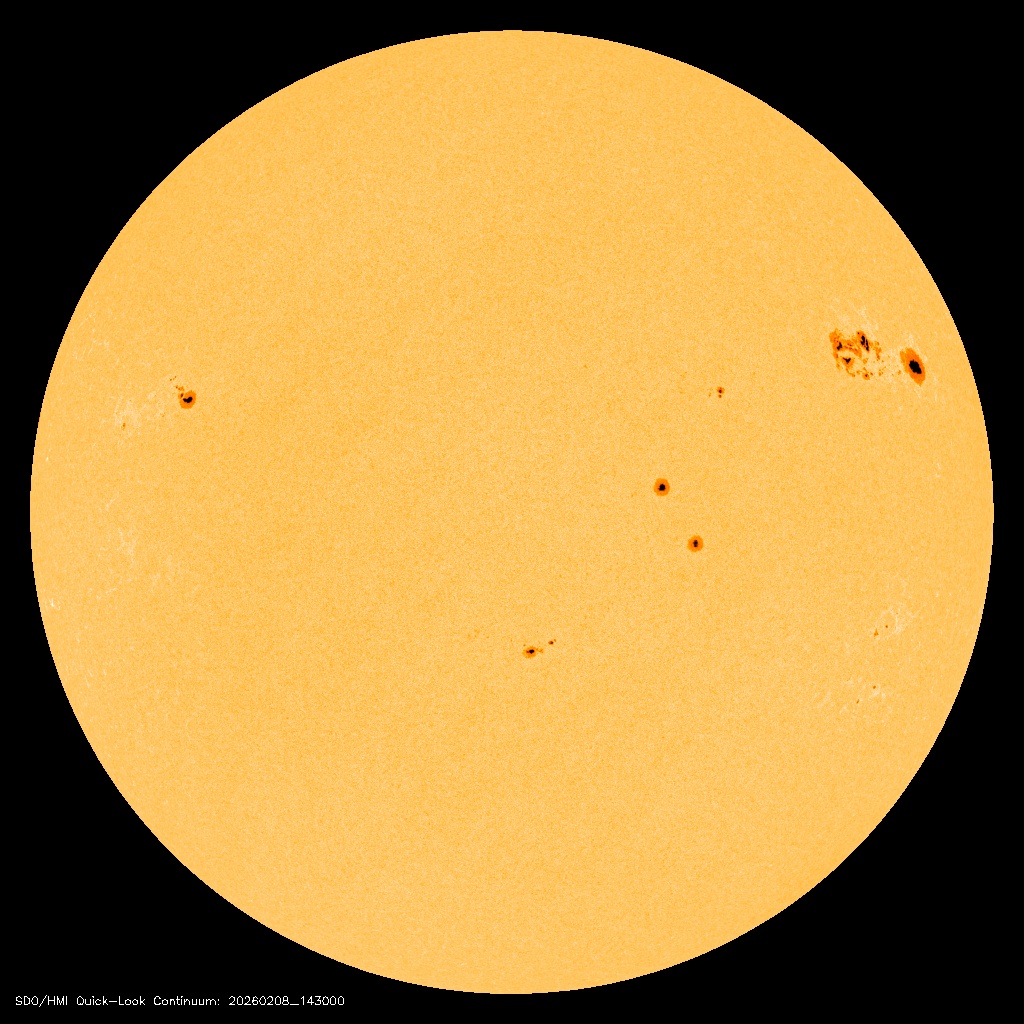
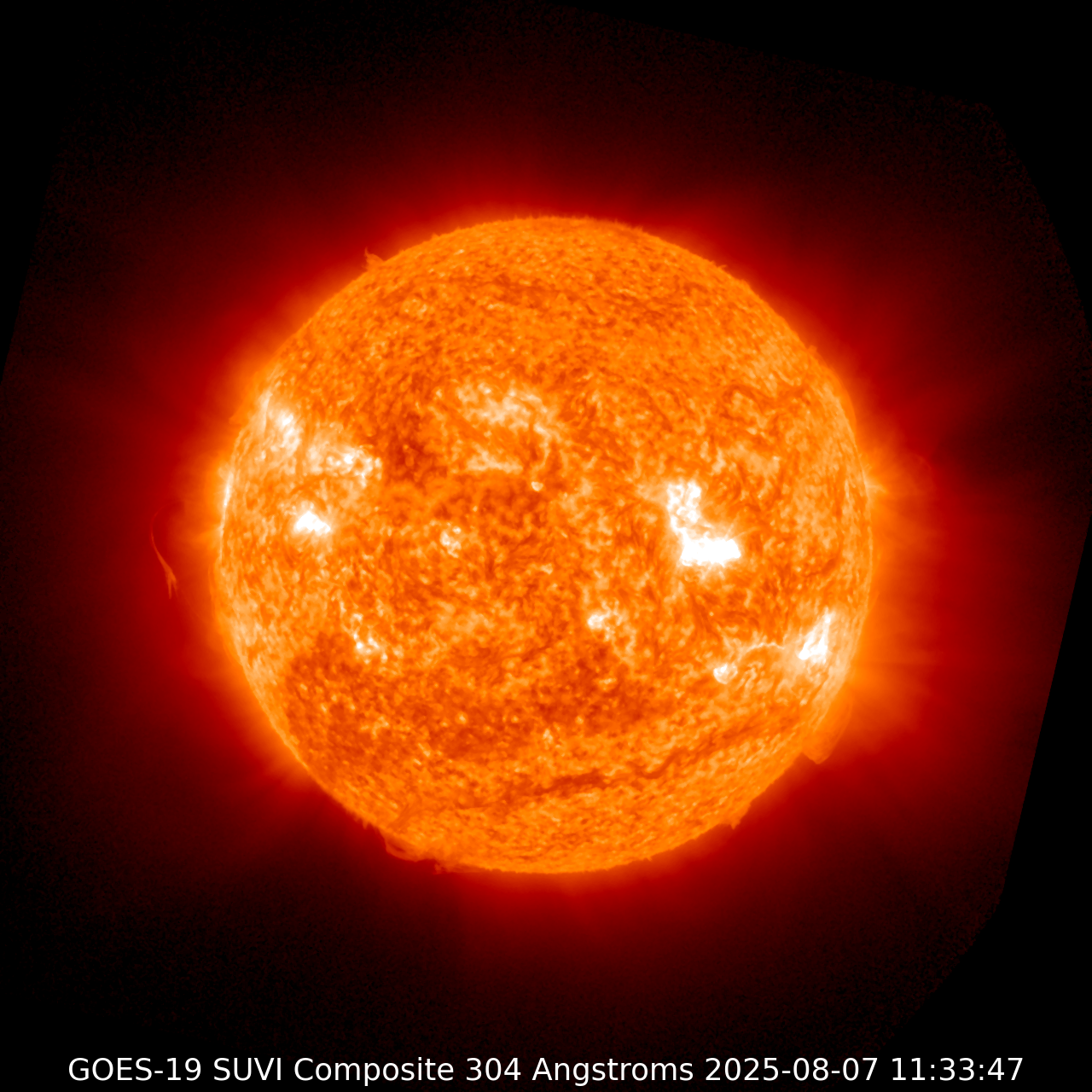
The planetary K-index is currently recovering from a quiet state but is forecast to reach G1 (minor) storm levels due to incoming solar wind influences. F10.7 flux is measured at 114 sfu, indicating moderate solar activity across the 36 active regions currently visible. While X-ray output is currently in the A/B range, the recent M-class activity from AR4479 warrants continued monitoring for potential impulsive eruptions.
The Kp-index, currently transitioning to 5.0, is the critical indicator as it signals the onset of a G1-class geomagnetic disturbance.
Expect a brief period of G1 geomagnetic activity peaking over the next few hours, followed by a gradual decay back to quiet levels by mid-day. Solar flare potential remains moderate, with a 90% chance of C-class activity and a persistent 25% risk for further M-class events from active region AR4479.
Minor auroral displays are possible at high latitudes as Kp reaches 5.0. Mid-latitude observers should generally expect quiet conditions, as the current storm intensity is not sufficient to push the auroral oval significantly equatorward.
| Region | Location | Class | Flares C/M/X |
|---|---|---|---|
| AR4480 | S18W17 | Dao/B | 0/0/0 |
| AR4479 | N16W10 | Eki/BGD | 9/1/0 |
| AR4478 | S05E08 | Fko/BGD | 1/0/0 |
| AR4477 | S14W15 | Bxo/B | 0/0/0 |
| AR4475 | S09W49 | Dai/BGD | 5/0/0 |
Monitor AR4479 closely; its recent history of M-class flares suggests it remains the primary driver for potential radio degradation or further sudden geomagnetic impulses.