GEO: QUIET
2
A/B (quiet)
Solar activity is currently quiet with no significant geomagnetic storms, though the Kp-index is forecast to rise slightly to unsettled levels in the coming hours. Solar flux remains high at 153 sfu, indicating a robust active solar disk.
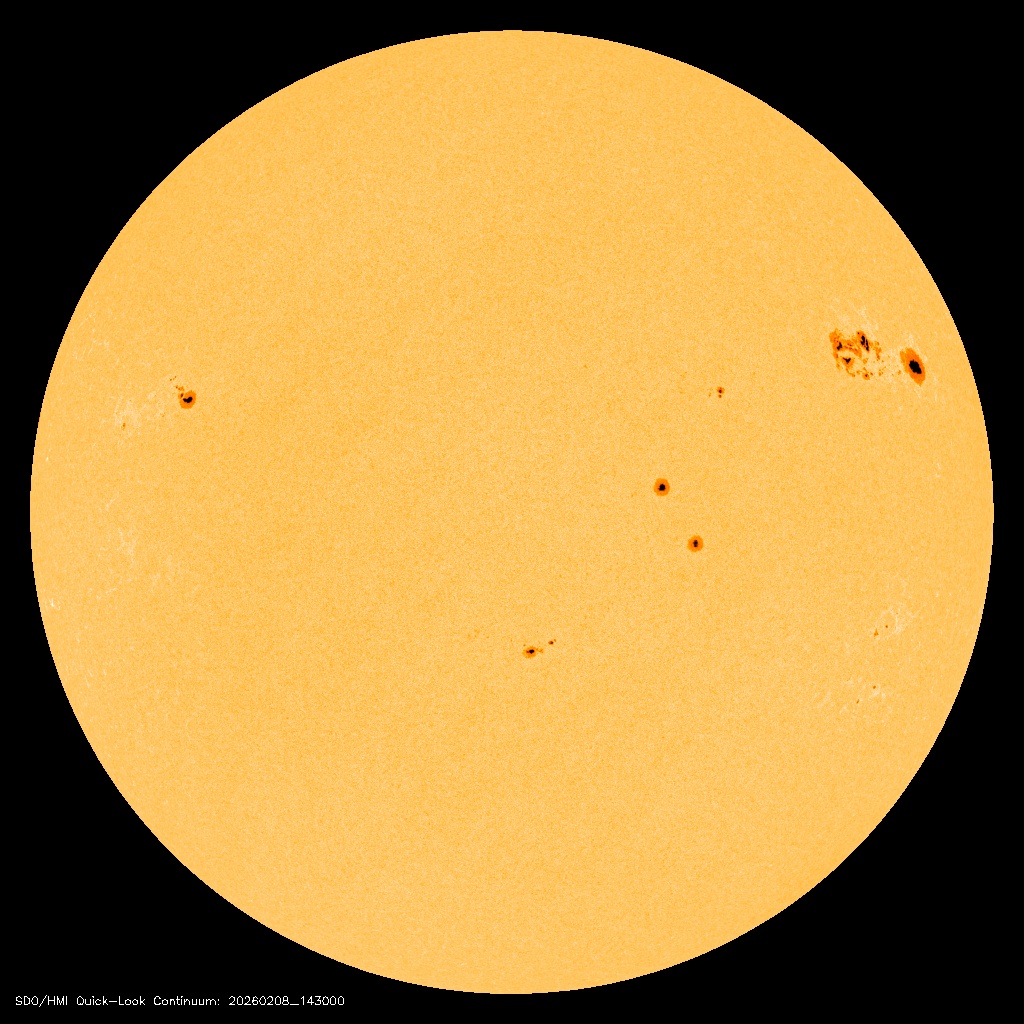
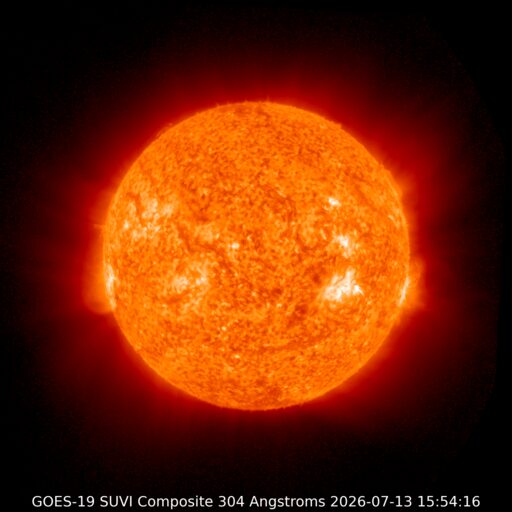
The Earth’s magnetic field is currently stable at a Kp-index of 2.0, reflecting a lack of major solar wind impacts. With six active regions currently visible, the solar environment is active, though X-ray flux remains in the quiet B-range. The 153 sfu radio flux measurement confirms sustained high levels of solar activity consistent with the current cycle progression.
The Kp-index forecast of 4.33 is the primary metric to monitor, as it approaches the threshold for minor geomagnetic disturbances.
Expect a gradual increase in geomagnetic activity over the next 24 hours, with Kp levels potentially reaching 4.0 (unsettled) by late today. Solar flare probabilities remain weighted toward C-class events, with minimal risk of major M or X-class disruptions.
Aurora visibility is restricted to high-latitude regions. Observers at mid-latitudes (40-60°N) are unlikely to see activity, as the predicted Kp-index of 4.0 remains below the threshold for significant southward displacement of the auroral oval.
| Region | Location | Class | Flares C/M/X |
|---|---|---|---|
| AR4489 | S07E67 | Hax/A | 0/0/0 |
| AR4482 | S09W43 | Cko/B | 0/0/0 |
Monitor the development of active region AR4489, currently located at S07E67, for potential rapid growth or magnetic complexity that could increase flare probability.