GEO: QUIET
6
A/B (quiet)
Geomagnetic conditions are currently quiet, with the planetary K-index at 1.0. Solar activity remains low, characterized by frequent but minor C-class flare production.
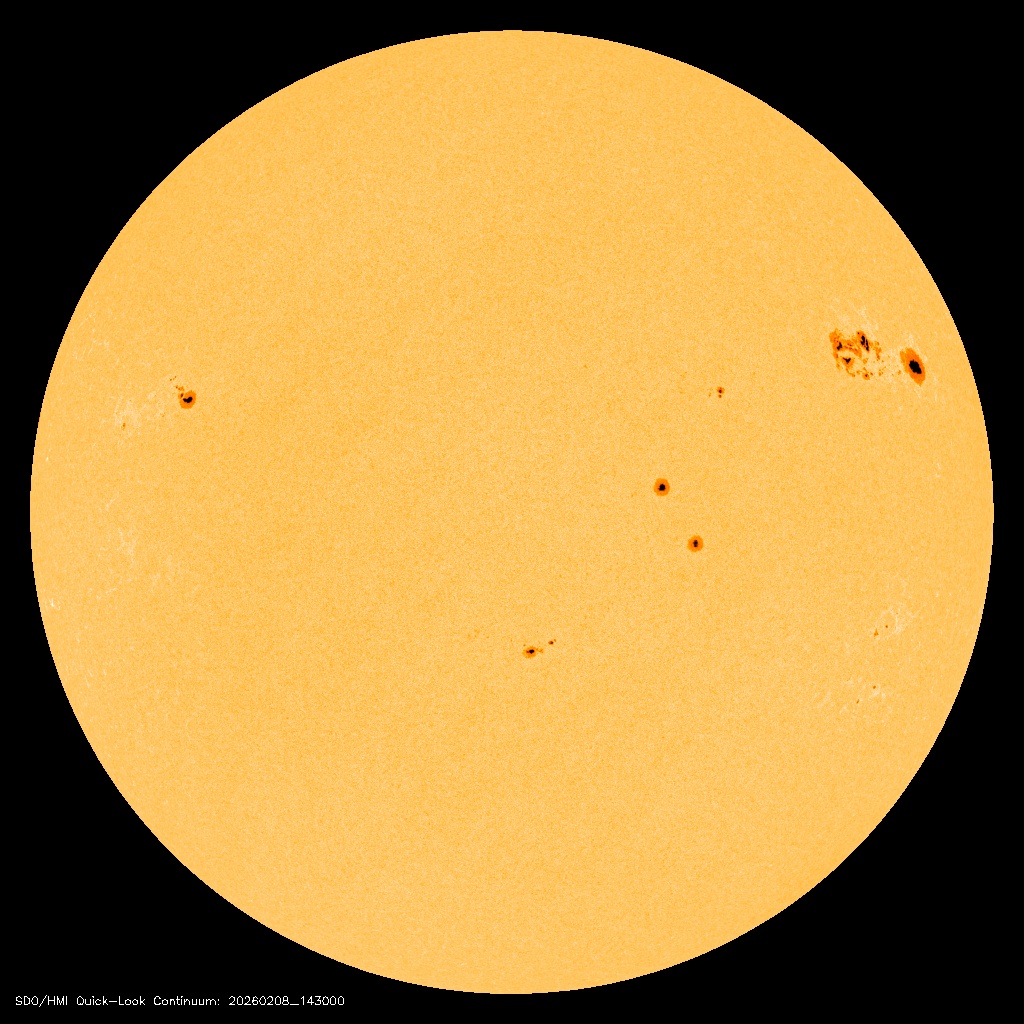
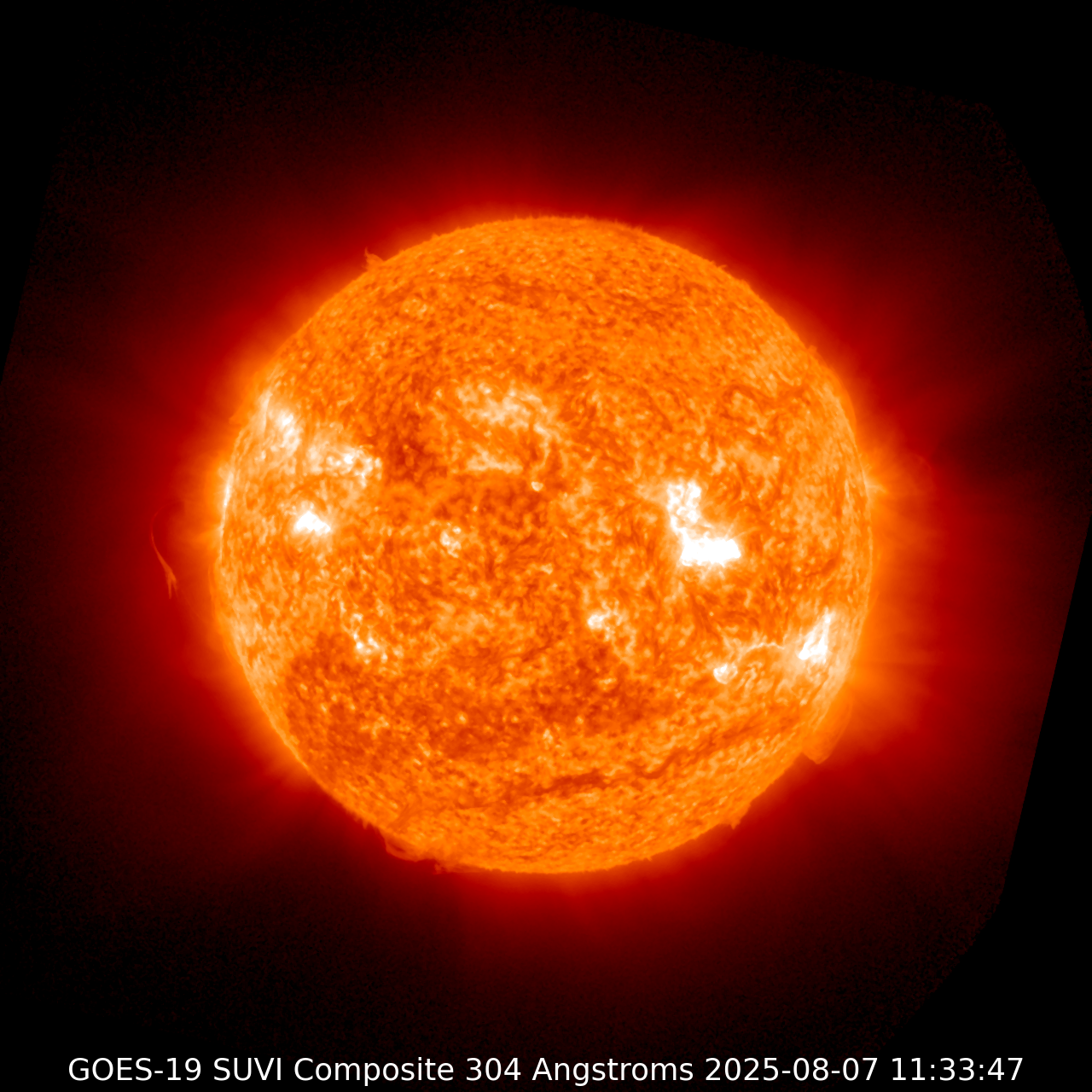
The solar environment is stable with multiple active regions present, though none display significant magnetic complexity. The F10.7 flux is holding at 105 sfu, indicating a moderate but steady background of solar activity. X-ray flux remains in the A/B range, reflecting a lack of major impulsive energetic events.
The F10.7 solar flux of 105 sfu is the key metric, as it confirms that while the sun is not currently storming, it remains at a productive level of activity within the solar cycle.
Geomagnetic conditions are expected to remain quiet with Kp values hovering near 1.33. No significant solar radiation storms or geomagnetic disturbances are anticipated over the next 24 hours.
Aurora visibility is restricted to high-latitude regions, particularly near the poles. Mid-latitude observers are unlikely to see significant auroral activity at this time.
| Region | Location | Class | Flares C/M/X |
|---|---|---|---|
| AR4480 | S18W05 | Dao/B | 0/0/0 |
| AR4479 | N16E02 | Dai/B | 2/0/0 |
| AR4478 | S06E20 | Fkc/BGD | 1/0/0 |
| AR4477 | S14W00 | Bxo/B | 1/0/0 |
| AR4476 | N08W58 | Axx/A | 0/0/0 |
| AR4475 | S10W33 | Dai/BG | 4/0/0 |
Monitor AR4478, which possesses the most complex magnetic configuration (Fkc), for any sudden increase in magnetic complexity that could lead to M-class flaring.